


| Mission Statement | ||
|
Throughout history people have used an extremely diverse range of materials and technologies to create works of art and other culturally significant objects. Scientific research into these materials and techniques play important roles in several different contexts, and provides a unique opportunity to address global problems with a global impact in a highly interdisciplinary way. At the Art Institute of Chicago, like at other museums, curators incorporate the findings of scientific studies in the interpretation of collections as well as in the assessment of the authenticity or provenance of objects. In developing treatment, storage and exhibit strategies, conservators often rely on the results of scientific analyses to determine whether certain materials are original to an object or whether they represent later changes, such as restoration work. Importantly, the preservation and care of collections requires not only an understanding of how something was made, but also knowledge about how materials’ properties change with age and how they are affected by environmental factors, such as temperature, humidity, and the presence of pollutants. Scientific studies of museum objects pose special challenges to scientists due in part to the diversity of materials used in creating them and the changes they have undergone. Further complications are introduced by very small sample sizes and the frequent need to perform analyses in situ, without harming the artifact. Research aimed at developing new materials for use in conservation treatments has to take into account a combination of criteria – such as long term stability and removability – as well as the reality that the field of conservation does not represent a large commercial market. One
of the ways in which scientists in museums aim to overcome the above
challenges is by harnessing both fundamental and applied
research
being
undertaken by scientists at research institutions. The cooperative
program in conservation science, launched in August 2004 with support
from the Andrew W. Mellon Foundation, bridges the gap between museum
specialists and materials science experts by promoting collaboration
between the Art Institute of Chicago (AIC) and Northwestern University
(NU). The primary goal of the program is to develop an ambitious research agenda,
and to publish experimental data and results, which can be disseminated
not only
within the field of conservation and conservation science, but in the
broader fields of materials science, chemistry and physics. The second
main component
of the AIC/NU program is a seminar series in
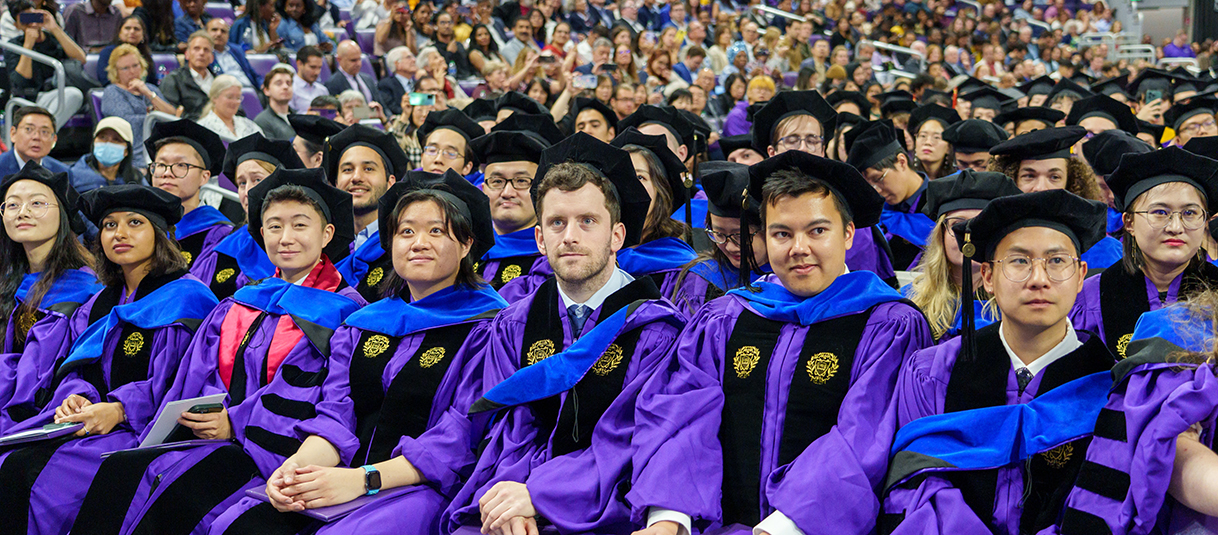
conservation science. Participation of both graduate students and undergraduates
is encouraged and builds in
an important educational dimension into the initiative, along with
its seminar series. The ultimate objective of the program is not only
to
strengthen the Art Institute’s research capabilities, but also
offer a model for integrative and cross-disciplinary collaboration
among museums and universities in the effort to strengthen the field
of conservation science in the US. |
|
Home | Mission | Research
Projects | Research
Seminars | About
Us | Facilities ©2006 Northwestern University and The Art Institute of Chicago |