

Hmmmm. What should I take for my science elective?
thinking cat
I know! Modern Materials and Society.

Modern Materials and
Society
(MM&S)

Mat Sci 101
Spring Quarter, 2009
Meets M W F
2:00 - 3:00

This course is specifically designed for non-science and non-engineering students and has been approved by most NU colleges, including the College of Arts and Sciences, to fulfill the natural science distribution requirement.

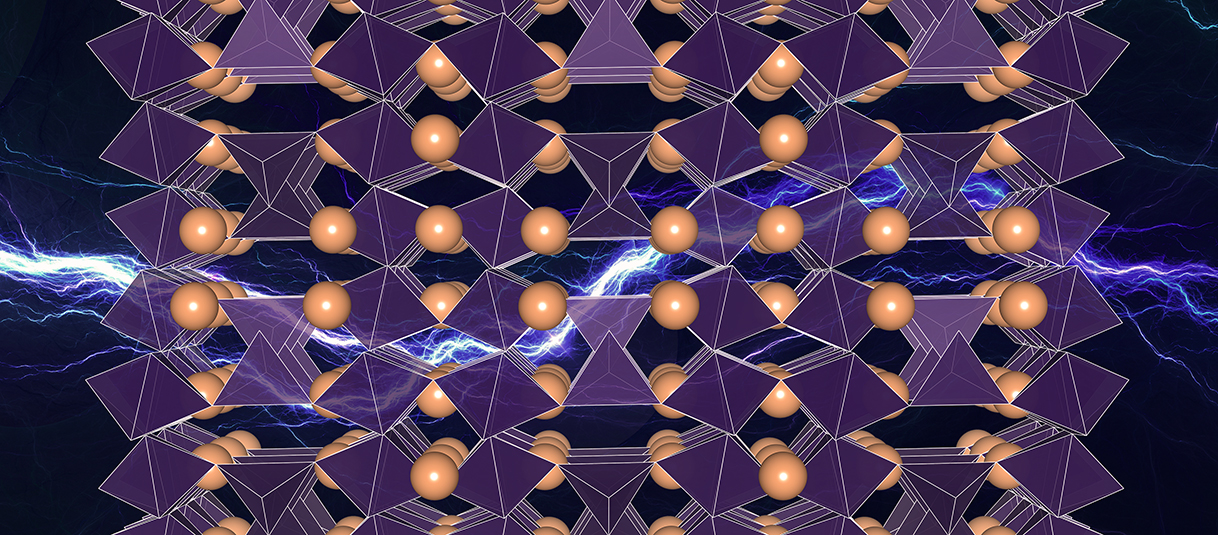
Materials are all around us and literally shape the world in which we live. "Ages" in human history have been identified according to the principal materials used for tools--e.g., stone, bronze, and iron. Since the industrial revolution and especially during this century there has been a veritable "materials revolution," ushering in hydraulic cements, high performance alloys, polymers (plastics), composites, semiconductors, superconductors, etc. Future historians may refer to our age as the age of silicon, after the material which forms the basis of the devices which power our advanced electronic communication/information systems.

In MM&S ( Mat Sci 1O1), students will learn:

  1. How materials "work." (scientific principles)
  2. How they are made. (engineering, manufacturing aspects)
  3. How they affect human society. (including economic and ecological issues)
There will be extensive in-class "demos" and hands-on exhibits to encourage student participation and learning. Students will also participate in individual projects or group tutorials as part of the SERTS program (Science / Engineering Research and Teaching Synthesis), an NU cross-schools initiative.

"If nothing sticks to teflon, then how do they get it to stick to the pan?"
"Now that I've jumped from this helicopter, what makes this bungy cord work?"
bungy
"Can everything be recycled?"
"Is this a real diamond or cubic zirconia?"
"What is the difference anyway?"


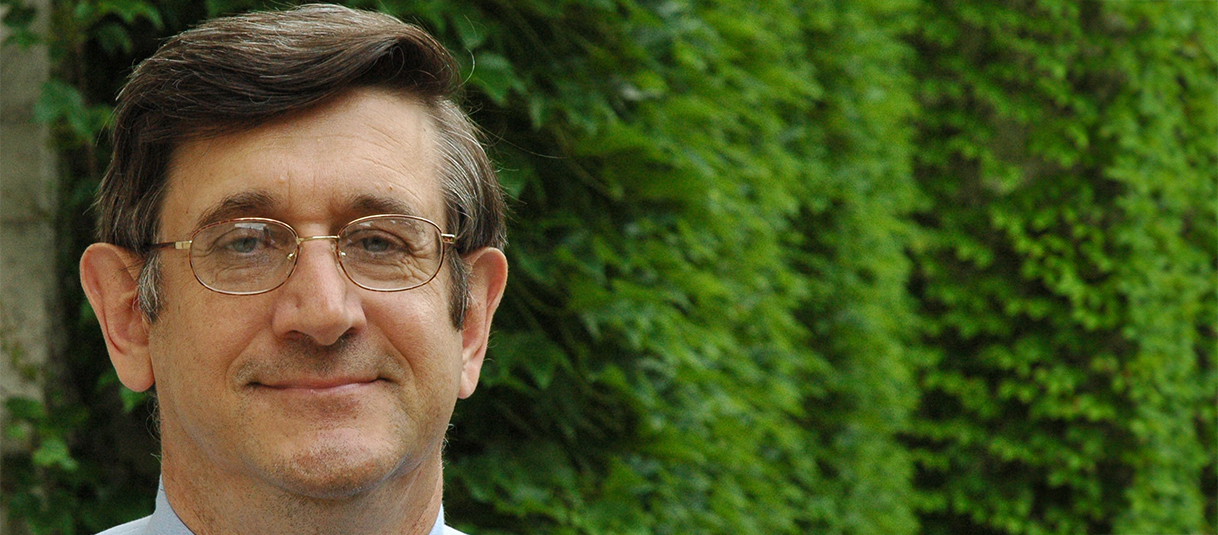
The instructor, Tom Mason in the Department of Materials Science and Engineering, has won numerous teaching awards, including the prestigious N.U.Alumni Association's Excellence in Teaching Award, the James N. and Margie M. Krebs Professorship, and the Charles Deering McCormick Professor of Teaching Excellence.

If you have any questions about the course, please contact Professor Mason at t-mason@northwestern.edu.