


July 2008
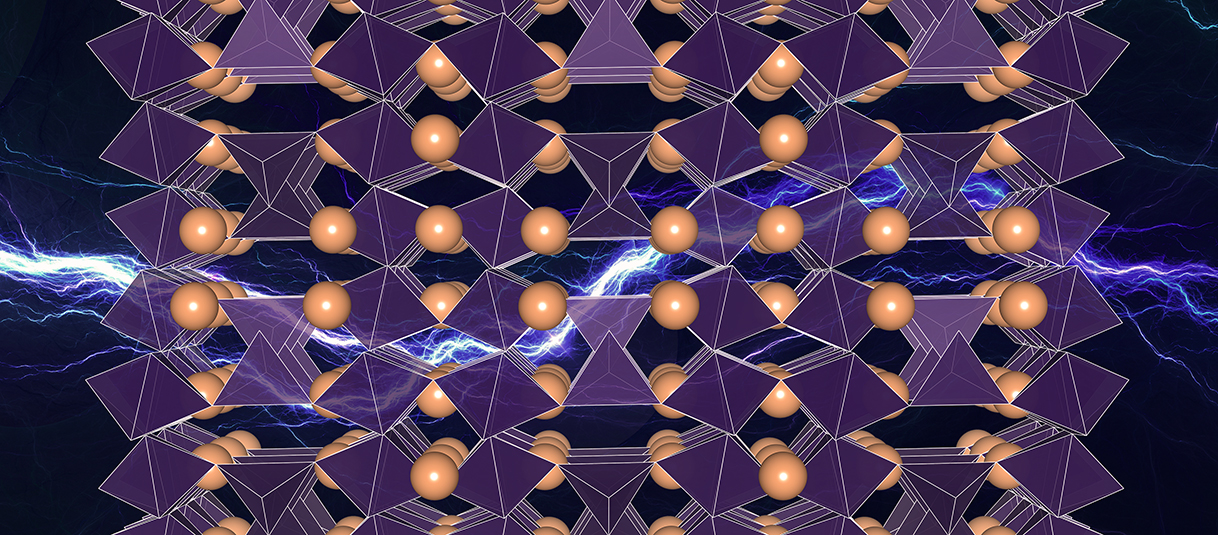
Marcus Young has received the 2008 Acta Student Award, reflecting outstanding articles published in Acta Materialia in 2007, one of the top journals in Materials Science and Engineering. Specifically, Marcus was nominated for the three papers below, reporting on research carried out during his PhD thesis which was co-advised by Dr. Dean Haeffner (at Argonne National Laboratory, alumnus of our department) and Prof. David Dunand, with funding from Argonne National Laboratory. The three papers report on experiments carried out at the Advanced Photon Source.
Marcus will attend the presentation ceremony which will be at the joint MS&T Conference in Pittsburgh in early October.
More info on the award can be found here:
http://www.elsevier.com/framework_products/promis_misc/ActaBioStudentAward.pdf
M.L. Young, J.D. Almer, M.R. Daymond, D.R. Haeffner, D.C. Dunand
Load Partitioning between Ferrite and Cementite during Elasto-Plastic Deformation of an Ultrahigh-Carbon Steel
Acta Materialia 55, 19992011 (2007).
M.L. Young, J.D. DeFouw, J.D. Almer, D.C. Dunand
Load Partitioning during Compressive Loading of a Mg/MgB2 Composite
Acta Materialia, 55, 34673478 (2007).
M.R. Daymond , M.L. Young , J.D. Almer, D.C. Dunand
Strain and Texture Evolution during Mechanical Loading of a Crack Tip in Martensitic Shape-Memory NiTi
Acta Materialia, 55, 39293942 (2007).June 2008
Mark Hersam Writes Review Piece for Nature Nanotechnology
http://www.mccormick.northwestern.edu/news/articles/384TOBIN MARKS RECEIVES SPANISH AWARD FOR CREATING "REVOLUTIONARY MATERIALS"
EVANSTON, Ill. --- Tobin J. Marks, Vladimir N. Ipatieff Research Professor
of Chemistry in the Weinberg College of Arts and Sciences and Professor of
Materials Science and Engineering in the McCormick School of Engineering and
Applied Science at Northwestern University, has received Spain's prestigious
2008 Prince of Asturias Prize for Scientific Research for his landmark work
in the "creation of revolutionary new materials for the benefit of mankind."
Marks, a world leader in the field of chemical catalysis who has developed
processes for numerous types of recyclable, environmentally friendly
plastics, is one of three American and two Japanese scientists to receive
the award, the first time it has focused on the fields of materials science
and materials chemistry.
About granting the award to the five scientists for their work, the Prince
of Asturias Foundation said: "As groundbreakers in the field of
nanotechnology worldwide, these scientists have created new, revolutionary
materials and transcendental techniques for fighting diseases, such as those
related to the brain and cancer, and for producing artificial tissues and
organs. Their work also stands out for its contribution to the protection of
the environment and energy saving via the use of new sources of clean energy
that may be produced at a low cost."
"I am deeply honored to receive this award," said Marks, "because it honors
research that I have derived so much intellectual pleasure in carrying out
as well as my present and past co-workers who made it happen, my
collaborating colleagues who have taught me so much, and my family members
who have been so patient."
The Prince of Asturias Prize for Scientific Research is bestowed upon
"individuals, work groups or institutions whose discoveries or research
represent a significant contribution to the progress of humanity in the
fields of mathematics, physics, chemistry, biology, medicine, Earth and
space sciences, as well as their related technical aspects and
technologies."
Eight Prince of Asturias prizes, established in 1981, are awarded each year
covering categories such as arts, scientific research, sports, letters and
humanities. The awards include a cash prize of 50,000 euros ($78,000) and a
sculpture by Spanish artist Joan Mir representing and symbolizing the
awards. They are named for Prince Felipe, heir to the Spanish crown, and are
presented each fall in Oviedo, capital of the northern region of Asturias.
Marks, who joined Northwestern in 1970, is a leader in the development and
understanding of single-site olefin polymerization catalysis (now a
multibillion dollar industry) as well as in the study of new materials
having remarkable electrical, mechanical, interfacial and photonic
properties.
He designed a co-catalyst that led to what is now a standard process for
producing better polyolefins, including polyethylene and polypropylene.
Found in everything from sandwich wrap to long underwear, these versatile
and inexpensive plastics are lighter in weight and more recyclable than
previous plastics.
Marks has developed a prototype of third-generation photovoltaic solar
cells, composed of flexible, efficient, low-cost, organic materials, as well
as new materials for sensors and light modulators enabling high-speed
optical data transmission and processing. His other achievements include
high-performance transistors and light-emitting diodes based on organic
materials (OLEDs), which lead to energy savings and are being incorporated
in electronic devices, such as personal digital assistants (PDAs), laptop
computers and cellular phones, as well as being the basis of what is known
as electronic paper.
Marks also has led major advances in the areas of transparent conducting
oxides, the organometallic chemistry of lanthanides and actinides, chemical
vapor deposition for thin films of interest to the electronics industry,
models for metal ion environments in proteins, and catalytically important
metal-boron hydride complexes.
During his career, Marks has received numerous awards, including some of the
most prestigious national and international awards in the fields of
inorganic, catalytic, materials and organometallic chemistry. Recent honors
include the U.S. National Medal of Science, the American Institute of
Chemists Gold Medal, the Cotton Medal from the Texas Section of the American
Chemical Society (ACS), the John C. Bailar Medal from the University of
Illinois at Urbana-Champaign, the Centenary and Sir Edward Frankland Prizes
of the British Royal Society of Chemistry and the Karl Ziegler Prize of the
German Chemical Society.
Marks also is the recipient of American Chemical Society Awards in Polymeric
Materials (1983), Organometallic Chemistry (1989), Materials Chemistry
(1994), Inorganic Chemistry (2001) and Distinguished Service in the
Advancement of Inorganic Chemistry (2008), and the ACS Chicago Section's
2001 Josiah Willard Gibbs Medal, regarded by many as the highest award given
to chemists next to the Nobel Prize.
He was elected to the National Academy of Sciences and the American Academy
of Arts and Sciences in 1993, and to the Leopoldina, the German National
Academy of Sciences, in 2005, and as a Fellow of the British Royal Society
of Chemistry in 2005.
Marks has authored 902 articles in peer-reviewed journals, edited six books
and holds 87 U.S. patents. He has served on numerous governmental and
industrial advisory panels and is co-author of several major policy
documents.
For more information on the Prince of Asturias Prize for Scientific
Research, go to http://www.fundacionprincipedeasturias.org/ing/index.html.
NORTHWESTERN NEWS: www.northwestern.edu/newscenter/MIRKIN HONORED WITH SECOND MAJOR NATIONAL AWARD
EVANSTON, Ill. --- Northwestern University's Chad A. Mirkin, one of the
world's leaders in the research and application of nanotechnology, has been
selected by the U.S. Department of Defense as an inaugural fellow in the
department's new National Security Science and Engineering Faculty Fellows
(NSSEFF) Program.
Mirkin, George B. Rathmann Professor of Chemistry in Northwestern's Weinberg
College of Arts and Sciences, professor of medicine and of materials science
and engineering, is one of six distinguished university faculty scientists
and engineers forming the program's first class.
Mirkin also received, in 2004, the Director's Pioneer Award from the
National Institutes of Health (NIH), an honor on par with the NSSEFF
Program, monetarily and in prestige. He is the only person to receive both
awards.
The NSSEFF program provides grants to top-tier researchers from U.S.
universities to conduct long-term, unclassified, basic research that is of
strategic importance to the Department of Defense.
Mirkin, director of the International Institute for Nanotechnology at
Northwestern, will receive up to $3 million of direct research support for
up to five years for his research project, "Functional One-Dimensional
Structures Based on On-Wire Lithography."
On-Wire Lithography, a process for fabricating and structuring nanowires,
was invented by Mirkin and allows individuals to construct nanostructures
that are useful in many important fields, ranging from medical diagnostics
to highly miniaturized electronics and computational devices.
Applicants underwent a rigorous nomination and selection process to
establish which among them appeared to hold the greatest potential for
addressing important basic research areas that underpin future Department of
Defense technology development, such as in sensors, surveillance and
information security.
Nearly 150 academic institutions submitted more than 500 nomination letters,
followed by more than 350 technical white papers. After a rigorous technical
review, 20 semifinalists were invited to submit full proposals outlining
their research plans. Each of the semifinalists participated in a scientific
interview before a distinguished panel of experts.
Mirkin is world-renowned for his invention and development of biological and
chemical diagnostic systems based upon nanomaterials. In addition, he is the
inventor and chief developer of Dip-Pen Nanolithography, a groundbreaking
nanoscale fabrication and analytical tool, and is the founder of Nanosphere
and NanoInk, two Chicago-based companies.
Mirkin has been recognized with more than 50 numerous national and
international awards for his advances. These include, in addition to the NIH
Director's Pioneer Award, the Inorganic Nanoscience Award from the American
Chemical Society (ACS); the Raymond and Beverly Sackler Prize in the
Physical Sciences; the ACS Nobel Laureate Signature Award; Discover 2000
Innovation of the Year Award; the Feynman Prize in Nanotechnology; and the
Leo Hendrick Baekeland Award.
He is the author or coauthor of more than 320 refereed publications and 330
patents (80 issued). Mirkin serves or has served on the editorial advisory
board of more than 20 chemistry journals and is founding editor of the
international journal of nanotechnology, Small.
NORTHWESTERN NEWS: www.northwestern.edu/newscenter/April 2008
Promising New Nanotechnology for Spinal Cord Injury
http://www.northwestern.edu/newscenter/stories/2008/04/SpinalCordInjury.htmlCARBON NANOTUBES MADE INTO CONDUCTIVE, FLEXIBLE "STAINED GLASS"
EVANSTON, Ill. --- Carbon nanotubes are promising materials for many
high-technology applications due to their exceptional mechanical, thermal,
chemical, optical and electrical properties.
Now researchers at Northwestern University have used metallic nanotubes to
make thin films that are semitransparent, highly conductive, flexible and
come in a variety of colors, with an appearance similar to stained glass.
These results, published online in the journal Nano Letters, could lead to
improved high-tech products such as flat-panel displays and solar cells.
The diverse and exemplary properties of carbon nanotubes have inspired a
vast range of proposed applications including transistors, logic gates,
interconnects, conductive films, field emission sources, infrared emitters,
biosensors, scanning probes, nanomechanical devices, mechanical
reinforcements, hydrogen storage elements and catalytic supports.
Among these applications, transparent conductive films based on carbon
nanotubes have attracted significant attention recently. Transparent
conductors are materials that are optically transparent, yet electrically
conductive. These materials are commonly utilized as electrodes in
flat-panel displays, touch screens, solid-state lighting and solar cells.
With pressure for energy-efficient devices and alternative energy sources
increasing, the worldwide demand for transparent conductive films also is
rapidly increasing.
Indium tin oxide currently is the dominant material for transparent
conductive applications. However, the relative scarcity of indium coupled
with growing demand has led to substantial cost increases in the past five
years. In addition to this economic issue, indium tin oxide suffers from
limited optical tunability and poor mechanical flexibility, which
compromises its use in applications such as organic light-emitting diodes
and organic photovoltaic devices.
The Northwestern team has taken an important step toward identifying an
alternative transparent conductor. Utilizing a technique known as density
gradient ultracentrifugation, the researchers have produced carbon nanotubes
with uniform electrical and optical properties. Thin films formulated from
these high purity carbon nanotubes possess 10-fold improvements in
conductivity compared to pre-existing carbon nanotube materials.
In addition, density gradient ultracentrifugation allows carbon nanotubes to
be sorted by their optical properties, enabling the formation of
semitransparent conductive films of a given color. The resulting films thus
have the appearance of stained glass. However, unlike stained glass, these
carbon nanotube thin films possess high electrical conductivity and
mechanical flexibility. The latter property overcomes one of the major
limitations of indium tin oxide in flexible electronic and photovoltaic
applications.
"Transparent conductors have become ubiquitous in modern society -- from
computer monitors to cell phone displays to flat-panel televisions," said
Mark Hersam, professor of materials science and engineering in
Northwestern's McCormick School of Engineering and Applied Science and
professor of chemistry in the Weinberg College of Arts and Sciences, who led
the research team.
"High purity carbon nanotube thin films not only have the potential to make
inroads into current applications but also accelerate the development of
emerging technologies such as organic light-emitting diodes and organic
photovoltaic devices. These energy-efficient and alternative energy
technologies are expected to be of increasing importance in the foreseeable
future."
In addition to Hersam, the other author of the Nano Letters paper is
Alexander Green, a graduate student in materials science and engineering at
Northwestern. The research was supported by the National Science Foundation
and the U.S. Army Telemedicine and Advanced Technology Research Center.
(Source contact: Mark Hersam at 847-491-2696 or m-hersam@northwestern.edu)
NORTHWESTERN NEWS: www.northwestern.edu/newscenter/March 2008
Self-Assembled Materials Form Mini Stem Cell Lab
http://www.northwestern.edu/newscenter/stories/2008/03/selfassembledsacs.htmlFebruary 2008
Jason Branden's MatSci 360 class project researches ancient Maya Blue.
http://www.chicagotribune.com/news/chi-maya-blue-27feb27,0,6959332.story
http://antiquity.ac.uk/Ant/082/0151/ant0820151.pdfBob Chang has been elected fellow of the Materials Research Society. He is being recognized for a career of outstanding accomplishments, inspired leadership and dynamic management of materials research; outstanding educational and outreach initiatives; and dedicated service, advancing progress of the materials research community world-wide. He will receive this honor at the upcoming Spring MRS meeting in March.
The editors of the Proceedings of the National Academy of Sciences (PNAS) have selected six outstanding PNAS papers for the 2007 Cozzarelli Prize, an award for papers that reflect the highest standards of scientific excellence and originality. Graziano Vernizzi and Monica Olvera de la Cruz were selected in the Class III (Engineering and Applied Sciences) category for their paper, "Faceting ionic shells into icosahedra via electrostatics" http://www.pnas.org/cgi/content/full/104/47/18382
December 2007
Metal Foam Has a Good Memory
Poking holes in magnetic alloy improves its shape-morphing capability
NSF Press Release 07-187Porous material exhibits increased magnetoplasticity
It is known that nickel-manganese-gallium (Ni-Mn-Ga) exhibits a magnetic shape memory effect. Single crystal Ni-Mn-Ga can elongate by 10 percent, the biggest magnetically-induced deformation--or "strain"--of any material. But making large single crystals is a slow, expensive process, and it isn't commercially viable. Researchers have now increased the strain in polycrystalline Ni-Mn-Ga by nearly fifty times by introducing pores. They attribute the improvement to the greater freedom for twin reorientation inside the foam, whose microstructure is an interconnected network of thin struts, each surrounded by empty space.PHYSICAL REVIEW FOCUS 5 December 2007 http://focus.aps.org/
David Ehrenstein, American Physical Society
Introductions to the Focus stories of the past week;
visit http://focus.aps.org for the complete stories.
STRETCHING MORE WITH PORES
Devices ranging from sonar to precision valves use materials that change shape when exposed to a magnetic field. Now a team reports in the 14 December Physical Review Letters that it has developed a new material with a shape-change effect as large as any commercial material but potentially cheaper and lighter than others. They created a porous foam of an alloy that
was previously known but not very effective. The porous form amplifies the shape-change effect, so the researchers believe it could be used in tiny motion control devices or pumps
without mechanical parts.
(Yuttanant Boonyongmaneerat et al., Phys. Rev. Lett. to be published)
COMPLETE Focus story, including VIDEOS at http://focus.aps.org/story/v20/st20July 2007
David Dunand has been selected as an ASM 2007 Fellow. "In 1969, ASM established the Fellow of the Society honor to provide recognition to members for their distinguished contributions to materials science and engineering and develop a broadly based forum of technical and professional leaders to serve as advisors to the Society."
ASM FellowsJune 2007
At the center of materials research: A history of interdisciplinary research at Northwestern
McCormick Magazine articleWhy is red paint red? Students explore the intersection of science and art
McCormick Magazine articleKatherine Faber Co-Directs Program to Help Women Faculty Sharpen Skills for Success
McCormick News ArticleMay 2007
Two Northwestern Faculty Members Receive National Medal of Science
Two Northwestern University faculty members have been awarded the 2005 National Medal of Science. They are the first Northwestern recipients of the nation’s highest award for lifetime achievement in fields of scientific research.
They are Jan D. Achenbach, Walter P. Murphy Professor and Distinguished McCormick School Professor of the Departments of Mechanical Engineering, Civil and Environmental Engineering and Engineering Sciences and Applied Mathematics, and Tobin J. Marks, Vladimir N. Ipatieff Research Professor of Chemistry in the Weinberg College of Arts and Sciences and professor of materials science and engineering.
![]()
Tobin J. Marks and Jan D. Achenbach
Achenbach was honored for his seminal contributions to engineering research and education in the area of wave propagation in solids and for pioneering the field of quantitative non-destructive evaluation. Marks was honored for his pioneering research in the areas of homogeneous and heterogeneous catalysis, organo-f-element chemistry, new electronic and photonic materials, and diverse areas of coordination and solid state chemistry.
The awards were announced yesterday (May 29) by President Bush. Achenbach, Marks and six other researchers will receive the medal at a White House ceremony later this year.
The National Medal of Science honors individuals for pioneering scientific research in a range of fields, including physical, biological, mathematical, social, behavioral and engineering sciences, that enhances our understanding of the world and leads to innovations and technologies that give the United States its global economic edge. The National Science Foundation administers the award, which was established by the Congress in 1959.
Achenbach, who joined Northwestern in 1963, is a preeminent researcher in solid mechanics and quantitative non-destructive evaluation. He has made major contributions in the field of propagation of mechanical disturbances in solids. He has achieved important results in quantitative non-destructive evaluation of materials, damage mechanisms in composites, and vibrations of complex structures.
He has developed methods for flaw detection and characterization by ultrasonic scattering methods. Achenbach’s work has been both analytical and experimental. He also has achieved valuable results on earthquake mechanisms, on the mechanical behavior of composite materials under dynamic loading conditions, and on the vibrations of solid propellant rockets.
Achenbach is founder of Northwestern’s Center for Quality Engineering and Failure Prevention, a state-of-art laboratory for quality control in structural mechanics, with profound impact on the aircraft industry, particularly the monitoring of aging aircraft.
Achenbach was awarded the 2003 National Medal of Technology, the nation’s highest honor for technological innovation. He was elected a member of the National Academy of Engineering in 1982, a member of the National Academy of Sciences in 1992 and a fellow of the American Academy of Arts and Sciences in 1994. In 1999 he was elected a Corresponding Member of the Royal Dutch Academy of Sciences. He is also an honorary member of the American Society of Mechanical Engineers and a fellow of ASME, ASA, SES, AMA and AAAS. His awards include the Timoshenko Medal and the William Prager Medal.
Marks’ research focuses on the design, synthesis and in-depth characterization of new substances having important chemical, physical and/or biological properties. His work is credited with having major impact on contemporary catalysis with seminal research in the areas of organo-f-element homogeneous catalysis, metal-ligand bonding energetics, supported organometallic catalysis and metallocene polymerization catalysis.
Marks, who joined Northwestern in 1970, is a leader in the development and understanding of single-site olefin polymerization catalysis (now a multibillion dollar industry) as well as in the study of new materials having remarkable electrical, mechanical, interfacial and photonic properties.
He designed a co-catalyst that led to what is now a standard process for producing better polyolefins, including polyethylene and polypropylene. Found in everything from sandwich wrap to long underwear, these versatile and inexpensive plastics are lighter in weight and more recyclable than previous plastics.
In his molecular optoelectronics work, Marks designs arrays of “smart” molecules that will self-assemble into, or spontaneously form, structures that can conduct electricity, switch light on and off, detect light and turn sunlight into electricity. These structures could lead to the world’s most versatile and stable light-emitting diodes (LEDs) and to flexible “plastic” transistors.
University President Henry Bienen, Tobin J. Marks, Jan D. Achenbach, and Board of Trustee Chair Patrick G. Ryan
During his career, Marks has received numerous awards, including some of the most prestigious national and international awards in the fields of inorganic, catalytic, materials and organometallic chemistry. Recent honors include the American Institute of Chemists Gold Medal, the John C. Bailar Medal from the University of Illinois at Urbana-Champaign, the Sir Edward Frankland Prize Lectureship of the British Royal Society of Chemistry and the Karl Ziegler Prize of the German Chemical Society.
Marks also is recipient of three American Chemical Society (ACS) national awards and the ACS Chicago Section’s 2001 Josiah Willard Gibbs Medal, regarded by many as the highest award given to chemists next to the Nobel Prize He was elected to the National Academy of Sciences and the American Academy of Arts and Sciences in 1993.
DAILY MAIL (London)
May 1, 2007 TuesdaySOAP JABS INTO THE SPINE COULD CURE PARALYSIS
BYLINE: BY PAT HAGAN
LENGTH: 706 wordsSOAP jabs into the spine could be an unlikely new treatment for paralysis. Scientists believe they may be able eventually to restore the ability to walk by injecting soap-like molecules that contain a crucial protein called laminin. This is one of the proteins found in the material that makes up the space between cells in the spinal cord, known as the extra-cellular matrix.
Once injected into the damaged part of the spine, the soapy molecules gradually dissolve, leaving the laminin to help regenerate nerve fibres. In tests on mice, scientists at Northwestern University, Illinois, found some mice could walk within six weeks of suffering a spinal cord injury.
They believe the technique will work as well on humans and should be given within hours of an injury for maximum benefit. Dr Samuel Stupp, who pioneered the technique, said it's unlikely the jabs will cure very severe spinal injuries. But they could help patients recover some bodily functions.
'Recovering every function a person had before an injury will probably be very hard,' he said. 'But even if people could not walk, they could still recover bladder function. That would be good and it's the first thing I'd want to recover.'
When the spine gets injured, nerves controlling movement and feeling can quickly become damaged beyond repair. Within days, they start to lose their ability to regenerate. The new treatment could at least preserve some movement in paralysed patients.
Scientists have focused on laminin because it is known as the body's own 'glue', a protein that helps bind everything together. Once it is injected into the spinal cord, it assembles itself into a type of scaffolding structure of so-called 'nanofibres' -- allowing damaged nerve cells to grow around it. 'These nanofibres are thousands of times thinner than a human hair,' said Dr Stupp.
'They are essential not only to preventing the formation of harmful scar tissue, which inhibits healing, but to stimulating the body into regenerating lost or damaged cells.'
But delivering laminin to the damaged part of the spine is tricky. Dr Stupp's technique uses bubbles made from soap-like chemicals that lock together into a matrix, allowing the laminin to establish new connections between damaged nerves.
Doctors measured movement in mice and rats on a scale of zero to 21. At 21, limb function is perfect, while at six or seven, the mice were dragging their hind legs. After giving the soap jabs, the score rose from six or seven to nine in mice and 12 in rats, representing a major improvement in walking ability. 'A score of 12 means that animal can move their limbs,' said Dr Stupp. 'Not perfectly, but they do move, so two or three points in the scale makes a huge difference.'
TALKS are under way in the U.S. to begin testing the injections on humans. The idea is to give the treatment within a day of patients being admitted to hospital, before scar tissue starts to form. It is also hoped the same treatment will work for diseases such as Parkinson's and Alzheimer's, where brain cells stop working properly. Laminin is also a vital protein in brain cell structure. Dr James Fawcett, of the Centre for Brain Repair at Cambridge University, said injecting laminin might aid nerve cells to partially regenerate.
'Laminin is one of the proteins in the extra-cellular matrix, the gooey stuff between cells in the spine. We already know it is able to make nerve fibres regenerate, and if it's possible to get it into the right place, it might help. 'Nerve fibres regenerate best if you give them some kind of "bridge" to grow on. 'But they lose that ability to regenerate over time. Treatments are best given within a week after the injury, rather than a month.'
December 2006
Tobin Marks: New Research Could Lead To “Invisible” Electronics moreNovember 2006
Lincoln Lauhon Named Fine Junior Professor at McCormick School
Lincoln J. Lauhon has been named the Morris E. Fine Junior Professor of Materials and Manufacturing in the Department of Materials Science and Engineering at the Northwestern University Robert R. McCormick School of Engineering and Applied Science.
Lauhon's multidisciplinary research group focuses on three important aspects of nanoscale science and technology: the design and synthesis of new low-dimensional materials; the development of new techniques to probe the structure and properties of nanomaterials at the smallest lenghscales; and the realization of new device technologies enabled by nanomaterials research.
Lauhon's research seeks a fundamental understanding of how novel physical properties arise in rationally designed nanostructures as a basis for exploiting these properties in various applications.
His work has been funded by the National Science Foundation, the Office of Naval Research and the Semiconductor Research Corporation, among others.
In recognition of the quality of his research and teaching, Lauhon received a National Science Foundation CAREER award in 2005, the Searle Center for Teaching Excellence Junior Fellowship in 2004 and the Nottingham Prize of the Physical Electronics Conference in 2000.
Author of more than 30 articles, he has been published in Nature, Science, Nano Letters, Physical Review Letters and the Journal of Physical Chemistry.
Lauhon joined the Northwestern faculty in 2003. (Source: McCormick News article)October 2006
McCormick Center to Introduce Materials Science to Young Students more
Method Could Help Carbon Nanotubes Become Commercially Viable moreJohn Romankiewicz wins TMS student poster contest
Undergraduate John Romankiewicz won $3,000 ($500 division award and $2,500 Best of Show) and a trip to Switzerland to represent TMS at Jr. EUROMAT for his poster titled “Imaging Charge Carrier Transport in Single Intrinsic Semiconductor Nanowires: Carrier Mobility and Lifetime”. moreSeptember 2006
David Seidman Receives Honor from ASM International moreAcross the nano divide: EDC students design nanoscience lessons for middle schools more
July 2006
HERSAM HONORED BY PRESIDENT BUSH IN WHITE HOUSE CEREMONY EVANSTON, Ill. --- Mark Hersam, assistant professor of materials science and engineering at the McCormick School of Engineering and Applied Science at Northwestern University, was honored at the White House yesterday (July 26) as a recipient of the 2005 Presidential Early Career Award for Scientists and Engineers (PECASE).The award, established in 1996, is the highest honor given by the U.S. government to outstanding scientists and engineers who are beginning their independent careers.
Hersam, after having photographs taken with President George W. Bush and other PECASE recipients, received his award from John H. Marburger, III, science advisor to President Bush and director of the Office of Science and Technology Policy, during a ceremony in the Eisenhower Executive Office Building.
Hersam was cited for outstanding research in applied science; silicon- based molecular electronics; nanoscale optoelectronics and atomic- resolution processing; and characterization of electronic, organic and biological materials and molecules using scanning probe microscopy. He also was honored for outstanding teaching and outreach in the fields of nanoscale science and engineering including curriculum development, mentoring of undergraduate research and development of the Global Nanotechnology Network which disseminates nanotechnology educational materials via the Internet.
Eight federal departments and agencies join together annually to nominate young scientists and engineers whose work is of greatest benefit to the nominating agency's mission. Nominated by the U.S. Army Research Office, Hersam will receive $500,000 over five years.
Hersam's research focuses on developing scanning probe microscopy techniques that enable sensing, characterization and actuation at the single molecule level. His research impacts many fields including materials science, chemistry, biology, physics and electrical engineering.
His research is accomplished with sophisticated instrumentation including three ambient atomic force microscopes and four homebuilt ultra-high vacuum scanning tunneling microscopes.
Hersam, who joined Northwestern in 2000, has received many awards during his career. Recent awards include the American Vacuum Society Peter Mark Award (2006), the Minerals, Metals and Materials Society's Robert Lansing Hardy Award (2006), the Office of Naval Research Young Investigator Award (2005), the Army Research Office Young Investigator Award (2005), a Sloan Foundation Fellowship (2005), the National Science Foundation CAREER Award (2002) and the Beckman Young Investigator Award (2001).
He has co-written numerous articles, which have appeared in various journals including Nano Letters, Nanotechnology, Applied Physics Letters, Review of Scientific Instruments, Proceedings of the National Academy of Sciences, Physical Review Letters, Journal of the American Chemical Society, Advanced Materials and Langmuir.
June 2006
NORTHWESTERN TEAM DEVELOPS "MRI" FOR FUEL CELLS EVANSTON, Ill. --- As gasoline prices top $3 a gallon in major cities, the drive toward increasing energy efficiency and reducing air pollution has accelerated, and the development of fuel cells has become a major focus worldwide.Knowing how fuel cells work is key to improving their performance and reducing the cost of their production. Now a research team led by Scott A. Barnett, professor of materials science and engineering at Northwestern University, has produced the first three-dimensional images of the interior of a fuel cell -- providing a new tool for the study and development of fuel cells.
The researchers' three-dimensional reconstruction of a solid oxide fuel cell anode was reported in a paper published this month by the journal Nature Materials. (A solid oxide fuel cell efficiently converts fuels such as hydrogen and natural gas directly into electricity; Barnett's group also recently reported a similar fuel cell that works with a liquid transportation fuel -- iso-octane, a high-purity compound similar to gasoline.)
"Much like magnetic resonance imaging produces a view inside the human body, we now can look inside fuel cells," said Barnett. "The dual-beam focused-ion-beam microscope used in the study provides much higher resolution than an MRI, showing nanometer-scale features. These pictures will help us and other researchers to unravel how fuel cells work so they can eventually be improved and made to work longer without failing."
The imaging technique also will enable manufacturers to maintain quality by checking batches of fuel cells for any structural changes that might hurt the fuel cells' characteristics.
The materials comprising fuel cells have become increasingly sophisticated, both in composition and microstructure. Determining this microstructure is a critical, yet usually missing, link between materials properties and processing and electrode performance, said Barnett. Current methods of microstructural analysis, such as scanning electron microscopy, provide only two-dimensional images of the microstructure, limiting understanding of how regions are interconnected in three-dimensional space.
A fuel cell is like a battery that can be replenished with fresh fuel. It consists of two electrodes sandwiched around an electrolyte material that conducts ions between them. Oxygen enters at the cathode, where it combines with electrons and is split into ions that travel through the electrolyte to react with fuel at the anode. Fuel cells are environmentally friendly: water and carbon dioxide are the only by-products. In the process, the oxygen ions traversing the electrolyte produce a useful current.
In addition to Barnett, other authors on the paper are James R. Wilson (lead author), Worawarit Kobsiriphat, Robert Mendoza and Peter W. Voorhees, all from Northwestern; Hsun-Yi Chen and Katsuyo Thornton, from the University of Michigan; Jon M. Hiller and Dean J. Miller, from Argonne National Laboratory; and Stuart B. Adler, from the University of Washington, Seattle.
The research was supported by the National Science Foundation.
(Source contact: Scott Barnett at 847-491-2447 or s- barnett@northwestern.edu)
Fueling A Cleaner Future
NU scientists could lower the cost of alternative energy and make vehicles less harmful for the environment moreApril 2006
Scientists Cultivate Interest Among Local Middle Schoolers moreThe art of engineering: The Art Institute of Chicago and McCormick unravel the mysteries of art more
February 2006
Materials Science & Engineering research featured on the cover of Nano Letters. Three-Dimensional Nanoscale Composition Mapping of Semiconductor Nanowires. moreNovember, 2005
Northwestern Collaborates With Art Institute on Conservation Science moreMay 19, 2005
Northwestern Newswire
Army funds research on wound repair
Sam Stupp, professor of materials science and engineering, and his team at the Institute for BioNanotechnology in Medicine focuses on developing bio-nanotechnology for wound repair that has been funded by the U.S. Army Medical Research.
http://www.northwestern.edu/newscenter/stories/2005/05/ibnam.htmlMay 17, 2005
Chemical and Engineering News
Polymer resists biofouling for months, polypeptide mimics may offer long-term control of surface fouling
Phillip B. Messersmith, associate professor of biomedical engineering, and Annelise Barron, associate professor of chemical and biological engineering, have designed a versatile new two-sided coating that could breath new life into medical implants.
http://pubs.acs.org/cen/news/83/i21/8321biofouling.htmlApril 2005
Brittle amorphous metal made ductile by foamingGraduate student Alan Brothers and Professor David Dunand report in Advanced Materials [(2005)17 (4),484 ] the creation of ductile bulk metallic glass (BMG) foams. BMGs are alloys that retain an amorphous structure when cooled rapidly from the molten state.Their exceptional strength,elasticity,wear and corrosion resistance,and modest densities make them very promising structural materials, but their use has been limited by their brittleness, similar to that of ceramics. Brothers and Dunand, in a project sponsored by DARPA, demonstrated that BMG foams become very ductile in compression (deforming by 80% without fracturing), as a result of bending of sub-millimeter struts forming the open-cell structure of the foam, which encourage stable shear band formation. As compared to existing crystalline metal foams, these new BMG foams offer superior properties as ultralight structural materials, energy absorbers, or bone-replacement implants.
The paper was highlighted in Materials Today at the following link (page 5/6):
http://www.materialstoday.com/pdfs_8_4/news.pdf
March 26, 2005
Tool pinpoints cell network trouble spotsBy Jon Van
Published March 26, 2005
http://www.chicagotribune.com/technology/chi-0503260147mar26,1,4417124.story?coll=chi-techtopheds-hedNearly every day, cell phone companies dispatch agents to drive city streets, measuring the strength of wireless phone signals.
This can provide useful information, but it is "equivalent to browsing the Internet without a search engine," said John Thakkar, engineering director for Mobile Meridian LLC, a Chicago start-up that offers radio frequency engineering expertise and software.
The firm has created a network performance analysis tool that it believes will give wireless carriers a better handle on network problems than the current system of driving around to test signal strength.
Every time a cell phone call is made, it generates data within the network. That information is needed to manage network traffic, provide accurate billing and so on, but it can also be used to paint a picture of where trouble spots occur.
That is the mission of the new software program devised by Mobile Meridian.
"There are millions of calls generated daily in Chicago," said Donald Drake, Mobile Meridian director. "Finding a problem in, say, Lincoln Park, is like looking for a needle in a haystack. This tool can do that."
Meridian One, as the program is called, won't replace drive testing but rather will enable the carriers to know the best places to send their vehicles when looking for ways to improve network operations, Drake said.
The company will run a pilot test of its software with one cell phone carrier and hopes to sell its software and services to several carriers.
"It's a very powerful tool," said Drake. "You can, for example, ask it to find the top 50 handsets generating dropped calls. It's likely those handsets are defective.
"The carrier could call those customers and say, `Come in and we'll swap out the phone for you'--that's great customer service."
A closer look: Using a powerful new microscope, materials science researchers at Northwestern University can study the three-dimensional structures of their samples atom by atom.
The $2 million machine, a Local-Electrode Atom-Probe tomograph, or LEAP, may be the key to making super-strong steel and other materials with desirable properties.
In one way, LEAP is comparable to X-ray CT scanners used in hospitals to make images of the human body, slice by slice, that physicians use to diagnose disease. But while it does produce slice-by-slice images, LEAP actually slices apart its samples as it operates. It also freezes them at very low temperatures.
Destruction of the materials is worth the information LEAP provides about the local chemistry and mechanical structure of materials at the nanoscopic level, said David Seidman, a Northwestern professor of materials science and engineering.
"It's amazing, but some very small changes at the nano and sub-nano levels have enormous effects on materials at the macro scale," said Seidman. "Without LEAP, there's no way to see what is happening."
Seidman is working to develop a high-security steel that could be used in American ships to make them more resistant to bomb blasts.
LEAP helps researchers seeking to produce energy-efficient aluminum that can sustain high temperatures and new metal alloys containing ceramic components.
Whereas the chief problem for these scientists had been discerning the basic nanostructures of the materials they worked with, now the problem has shifted, Seidman said.
"Now the rate-limiting step is analyzing the data as opposed to collecting the data," he said.
The U.S. Office of Naval Research and the National Science Foundation provided most of LEAP's funding. It is one of only four in operation. Two others are at U.S. national laboratories and the other is at an Australian university.
March 23, 2005
ACS MEETING NEWS
http://pubs.acs.org/cen/news/83/i12/8312crystals.html
Monitoring A Polymer Crystal's Evolution
Technique allows crystallization to be observed and precisely controlled at the same time
March 22, 2005
Researchers Pursue Blast-Resistant Steel Using New TomographEVANSTON, Ill. - Materials scientists and engineers at Northwestern University are developing a new “high-security” steel that would be resistant to bomb blasts such as the one that struck -- and nearly sank -- the USS Cole in Yemen in 2000. The researchers now have a state-of-the-art instrument that enables them to get a precise look at steel’s composition on the nanoscale: a $2 million atom-probe tomograph that is only the fourth of its kind in the world.
Using the new Local-Electrode Atom-Probe (LEAP®) tomograph, researchers studying steel and other materials can -- at amazing speed -- pluck atoms off a material’s surface one at a time, layer by layer over tens of thousands of layers, to better understand the entire nanostructure and chemical composition of the material, which is key to designing new materials effectively and efficiently.
The technology is similar to that used in CT (computed tomography) scans, which image body tissues for medical diagnosis. Consisting of a field-ion microscope plus a special time-of-flight mass spectrometer, an atom-probe tomograph takes multiple pictures and uses those slices to construct a detailed three-dimensional image of the material.“We now can conduct certain experiments that would be impossible without the LEAP tomograph,” said David N. Seidman, Walter P. Murphy Professor of Materials Science and Engineering, who spearheaded the effort to bring a LEAP tomograph to Northwestern, the first university in the country to secure one. The three other institutions that have a LEAP tomograph are Oak Ridge National Laboratory, the University of Sydney and Sandia National Laboratories.
With a grant from the U.S. Office of Naval Research, Seidman is working with Morris E. Fine, professor emeritus of materials science and engineering, on the stronger steel problem. “The U.S. Navy wants a superior material for its new fleet of ships,” said Seidman. “Our steel, an alloy of iron, carbon and various other elements and metals, gets its strength mainly from tiny nanosized particles of copper, which are distributed in both homogenous and heterogeneous patterns. The LEAP tomograph lets us, for the first time, view both distributions at once, which is critical to understanding the role copper plays. With in-depth knowledge of steel’s structure and chemical identity, we can design a stronger material.”The LEAP tomograph has a very large field of view, analyzes significantly larger volumes of material, and collects data more than 720 times faster than its predecessor at Northwestern, a conventional 3D Atom-Probe tomograph. The LEAP tomograph collects 72 million atoms per hour while the old tomograph collects merely 100,000 atoms in the same amount of time. The specimen is held in the tomograph at cryogenic temperatures, immobilizing the nanostructure so that when atoms are removed the remaining structure is not affected. Each atom’s position and chemical identity are recorded, and the data are then used to create a three-dimensional image of the material’s complex atomic structure.
Researchers using the new tomograph are not focusing on steel only. The LEAP tomograph, which became operational in January and is housed in the Northwestern University Center for Atom-Probe Tomography (NUCAPT) in William A. and Gayle Cook Hall, has attracted faculty, post-doctoral fellows and graduate students working on problems ranging from semiconductor nanowires for use in new nanotechnologies to stronger and energy efficient aluminum alloys for use at high temperatures, with applications in the airline and automotive industries. Other materials that can be studied using the LEAP tomograph are metal alloys containing ceramic particles, semiconductors and conducting polymers.
“ The LEAP tomograph is a beautifully engineered and revolutionary piece of instrumentation,” said Seidman, who heads NUCAPT, the second largest atom-probe tomography group in the world. “It’s like going from a rotating anode X-ray tube in your lab to the synchrotron at Argonne National Laboratory. Now the rate limiting step is analyzing the data as opposed to collecting the data.”
To assist Seidman and other researchers in this challenge, a post-doctoral fellow from Argonne will be involved in developing additional software to handle the large data sets. One focus will be image visualization and the display of data in a way that reveals the most useful information.
The U.S. Office of Naval Research and the National Science Foundation provided the majority of the funding for the LEAP tomograph.www.606mag.com
Prof. Mark Hersam has been named one of the "30 Under 30: The New Chicago" by 606 magazine.www.usnews.com, April 2004
Our graduate program in the Department of Materials Science & Engineering is ranked second in the the country according to the 2005 U.S. News and World Report Rankings.
www.usnews.comTMS, March 2004
Department alum, Chris Schuh, is the 2004 recipient of the TMS Robert Lansing Hardy Award.
http://www.tms.org/Society/Honors/2004/Hardy2004.htmlObserver, February 26, 2004
Recent awards near $17M
Eleven McCormick faculty received grants for November and December 2003.
http://www.northwestern.edu/observer/issues/2004-02-26/awards.Observer, February 19, 2004
Mussels may lead to safer implants
Phillip B. Messersmith, assistant professor of biomedical engineering, discusses his research into the possible uses of mussel glue in medical procedures.
http://www.northwestern.edu/observer/issues/2004-02-19/mussels.htmlObserver, February 19, 2004
Recent awards near $22M
Nineteen McCormick faculty received grants for September and October of 2003.
http://www.northwestern.edu/observer/issues/2004-02-19/research.htmlBaltimore Sun, January 29, 2004
Tiny scaffold offers hope for spinal cord treatment
Samuel Stupp, professor of materials science and engineering, discusses his team's recent work on synthetic molecules that promote neuron growth.
http://www.azcentral.com/health/wellness/articles/0129spinalcordprogress-ON.htmlThe Guardian, January 29, 2004
'Liquid' bridge could fix severed spine
Samuel Stupp, professor of materials science and engineering, discusses his team's recent work on synthetic molecules that promote neuron growth.
http://www.guardian.co.uk/life/dispatch/story/0,12978,1133236,00.htmlThe Daily Northwestern, January 28, 2004
Profs pioneer gel to heal spinal cord, neural tissue
Samuel Stupp, professor of materials science and engineering, discusses his team's recent work on synthetic molecules that promote neuron growth.
http://www.dailynorthwestern.com/vnews/display.v/ART/2004/01/28/4017537552ca0Dallas Morning News, January 26, 2004
Discoveries
Phillip Messersmith, associate professor of biomedical engineering, discusses mussel glue and its potential applications.E4engineering, January 26, 2004
Neurons from nanostructures
Samuel Stupp, professor of materials science and engineering, discusses his team's recent work on synthetic molecules that promote neuron growth.
http://www.e4engineering.com/item.asp?id=51065&type=newsCalgary Herald, January 24, 2004
Soapy-looking gel could repair spinal cords, say researchers
Samuel Stupp, professor of materials science and engineering, discusses his team's recent work on synthetic molecules that promote neuron growth.January 23, 2004
Scientists grow neurons using nanostructures
http://www.mccormick.northwestern.edu/news/showarticle.php?id=90Chicago Tribune, January 23, 2004
New NU stem-cell gel advances spinal injury research
Samuel Stupp, professor of materials science and engineering, discusses his team's recent work on synthetic molecules that promote neuron growth.
http://www.chicagotribune.com/features/health/chi-0401230193jan23,1,2731694.storyNature, January 23, 2004
Self-assembling scaffold for spinal-cord repair;
'Liquid' bridge could help severed nerve cells grow.
Samuel Stupp, professor of materials science and engineering, discusses his team's recent work on synthetic molecules that promote neuron growth.
http://www.nature.com/nsu/040119/040119-13.htmlCBC News, January 23, 2004
Bioengineers build scaffold to grow neurons
Samuel Stupp, professor of materials science and engineering, discusses his team's recent work on synthetic molecules that promote neuron growth.
http://www.cbc.ca/stories/2004/01/22/neurons040122United Press International, January 22, 2004
Scientists discover route to neuron growth
Samuel Stupp, professor of materials science and engineering, discusses his team's recent work on synthetic molecules that promote neuron growth.United Press International, January 22, 2004
Self-assembling fibers help nerve repair
Samuel Stupp, professor of materials science and engineering, discusses his team's recent work on synthetic molecules that promote neuron growth.New Scientist, January 22, 2004
Injectable scaffold aids rebuilding of nerves
Samuel Stupp, professor of materials science and engineering, discusses his team's recent work on synthetic molecules that promote neuron growth.
http://www.newscientist.com/news/news.jsp?id=ns99994596Matsci Undergrads Place First in TMS Design Competition
The Materials Processing and Manufacturing Division of TMS is pleased to announce the decision to award Erhan Altinoglu, Jennifer Bolos, and Nora Colligan, from Northwestern University, first place in the 2004 TMS/MPMD Student Design Competition for their project, "Noburnium: Oxidation Resistant Nb Superalloy."The award is presented to outstanding undergraduate students majoring in materials during the 2002-2003 academic year.
Presentation of the award will take place at the TMS 2004 Annual Meeting & Exhibitiooon, Charlotte, North Carolina, March 14-18, 2004.
Source: Diane Scheuring, TMS Membership & Marketing CoordinatorChicago Sun-Times
November 12, 2003http://www.suntimes.com/output/tech/cst-nws-nano12.html
NU engineers push computer chip limits
BY JIM RITTER, Science Reporter
Computers keep getting faster, cheaper and more powerful because manufacturers keep cramming more transistors on chips.
But scientists predict progress could come to a halt within 10 years or so when transistors will get so small they no longer will work.
Dozens of research teams are trying to work around this problem so manufacturers can keep expanding computing power. And one promising avenue is being tried by researchers at Northwestern University, who are using a hybrid chip consisting of silicon and other materials.
In computer chips, transistors act like on-off switches for electrical current. In Northwestern's experimental chip, current behaves in an unusual way that could have the effect of boosting computer power. Researchers are reporting this finding in Nano Letters, a publication of the American Chemical Society.
Conventional chips consist of a layer of insulation sandwiched between silicon and metal. Some research teams are replacing silicon with thin layers of gold or other materials. The Northwestern chip uses silicon as the base. The middle layer, just one molecule thick, is polystyrene. The top layer is a metal such as tungsten.
Because it retains silicon, the Northwestern chip could prove to be a transition to the next generation of chips. "We need old and new working together," said Northwestern materials engineer Mark Hersam.
For more than 30 years, the computer industry has been ruled by Moore's Law: as chip designs improve, the number of transistors doubles every year or two. The law is named after Intel co-founder Gordon Moore, who in 1965 predicted this exponential growth in transistors.
Transistors have shrunk to about 100 nanometers. (One nanometer is a billionth of a meter -- roughly the size of a molecule.) With current designs, it probably will be possible to continue shrinking transistors to about 10 nanometers. Physical laws prevent transistors working at smaller sizes. At that point, Moore's Law will finally reach its limit -- unless engineers can come up with a new design.
The Northwestern chip could increase the number of devices on a chip by perhaps a hundredfold beyond the predicted limit of conventional chips, Hersam said.
"After that, we'll all have a problem," Hersam said.
It will be years, if ever, before the Northwestern chip is used commercially in computers.
Some of the other designs under development may prove to be more practical.
"It's not obvious that this will be the solution," Hersam said. "But it is a solution that is compatible with current technology."
MOLECULAR ELECTRONIC DEVICE SHOWS PROMISE
EVANSTON, Ill. --- Thanks to a team of materials scientists at Northwestern University, molecular electronics may be one step closer to reality. The researchers, led by Mark Hersam, assistant professor of materials science and engineering, have become the first to measure a unique and versatile nanoelectronic effect -- called resonant tunneling -- through individual molecules mounted directly on silicon.
The findings were published online Nov. 1 by Nano Letters, a publication of the American Chemical Society. The article will appear in print on the cover of the journal's January 2004 issue.
"This work represents the first experimental realization of a molecular resonant tunneling device on a semiconductor," said Hersam. "The device works at room temperature and on silicon, which are important features that suggest that it can be made compatible with conventional silicon microelectronics. It's easier to make inroads if you complement current technology rather than replace it."
Silicon microelectronics has undergone relentless miniaturization during the past 30 years leading to dramatic improvements in computational capacity and speed. At the most fundamental limit, individual molecules have been envisaged as functional electronic devices. When interfaced with conventional circuitry, resonant tunneling devices allow improved efficiency and reduced power consumption in computer architectures.
Resonant tunneling also may allow individual molecules to be detected and identified, thus creating future opportunities for high sensitivity sensors.
(Source contact: Mark Hersam at 847-491-2696 or m-hersam@northwestern.edu)
-30-
11/3/03
What on Earth: Is anything harder than diamond?
Your questions answered
14 April 2003
The Independent (London)
© 2003 Independent Digital (UK) LtdDiamond is still the hardest substance known to science. But American researchers say they have produced a composite material that contains crystals of carbon nitride, which scientists believe could be even harder.
The search for super-hard materials started in earnest in the late 1980s, when a formula was developed for calculating hardness. It showed, for example, that boron nitride, which was considered promising, could never be as hard as diamond. But the equation indicated that beta-carbon nitride (beta-C3N4) was a candidate.
Non-crystalline carbon nitride is easy to make in the lab, but the super-hard crystals proved difficult. "Left to themselves, carbon and nitrogen atoms simply don't want to form a crystal structure," says Yip-Wah Chung of Northwestern University in Evanston, Illinois, who led a team that claims to have made the crystalline form.
Chung joined forces with another Northwestern team led by Scott Barnett. The researchers made alternating thin layers of carbon nitride and titanium nitride using a process called magnetron sputtering, in which molecules of gas are fired at a solid target. The molecules knock atoms off the surface of the target, combine with them chemically, bounce off and are deposited on a nearby surface.
Chung's team fired nitrogen molecules at a target that was coated with carbon andtitanium. The target rotated so that the nitrogen molecules hit the two materials alternately. As a result, successive layers of titanium nitride and carbon nitride were deposited on a surface held next to the target.
Titanium nitride and non-crystalline carbon nitride are both hard, but the composite material was twice as hard as either. Independent tests confirmed that the material was almost as hard as diamond. Then Chung found that the layers of carbon nitride seemed to contain crystals. Titanium nitride forms crystals easily, and Chung suggests that carbon nitride may somehow be forced to crystallise when sandwiched between layers of a titanium nitride crystal lattice.
Some researchers are sceptical of Chung's claim to have produced crystals of beta-carbon nitride. Even if he is correct, the crystals will have to be purified to produce a truly super-hard material. But such a material would have many uses. It could cut steel, which diamond cannot do because it burns when it gets hot. Mechanical parts coated with beta-carbon nitride would last much longer, and a thin layer could be used to protect computer discs.
February 17, 2003
Volume 81, Number 7
CENEAR 81 7 p. 17
ISSN 0009-2347
http://pubs.acs.org/cen/topstory/8107/8107notw8.htmlMATERIALS SCIENCE
POLYMERS LINE UP
New method uses liquid crystals to impose order on conducting polymersMITCH JACOBY
Bright cell phone and laptop displays that burden neither power supplies nor pocketbooks may soon become available. At Northwestern University, researchers have come up with a simple procedure for preparing films of conducting polymers with a high degree of order--a property that boosts the performance of the materials when used in electronic applications [Angew. Chem. Int. Ed., 42, 778 (2003)].
CRYSTAL-LIKE Ordered films of conducting polymers, when examined with optical microscopy methods, look just like the liquid-crystal templates in which they were grown.
COURTESY OF NORTHWESTERN UNIVERSITY
Low cost, mechanical flexibility, and ease of processing make electricity-conducting plastics ideal materials for electronic devices. But progress with organic electronics has come slowly because plastics tend to be mediocre conductors. Although scientists recognize that the high degree of disorder typical of polymers plays a key role in their lackluster performance, bringing order to the materials has remained challenging.Now, graduate student James F. Hulvat and Samuel I. Stupp, professor of materials science, chemistry, and medicine, have shown that ordered films of conducting polymers can be prepared via an aqueous low-temperature technique using liquid crystals as templates to direct the orientation of the growing molecules. The team demonstrated the new method by electropolymerizing 3,4-ethyldioxythiophene in a liquid-crystal medium composed of surfactant molecules. The polymeric product, PEDOT, is commonly used to conduct positive charge in the hole-injection layer in organic light-emitting diodes (LEDs).
"You always want to be able to control order in a material," Stupp says. For some properties, greater order is beneficial; for others, less order is needed, he notes. "But control is the key."
Using optical microscopy methods, the team showed that the liquid-crystal template controls the polymer's structure so profoundly that, even after the template is washed away, the product looks just like a liquid crystal in terms of its domain structure and birefringence, an optical property characteristic of liquid-crystalline materials.
To gauge the electronic properties of templated specimens, the Northwestern University scientists compared current flow through ordered PEDOT films with the flow through disordered PEDOT films, including commercially available materials. Films prepared via the new method deliver significantly more current at a given voltage than other PEDOT films, the team reports. Using standard methods, the group incorporated the new films into LEDs that emit intense blue light.
Hulvat explains that the enhanced current flow corresponds to an increase in the luminosity of LEDs made from the ordered materials. With bright and efficient LEDs, he says, people will be able to see their cell-phone displays in the midday sun without draining their batteries.
Scientists Question the Value of Shuttle Flights
By JAMES GLANZ and RICHARD A. OPPEL Jr.
The New York Times
February 24, 2003
http://www.nytimes.com/2003/02/24/national/nationalspecial/24NASA.html
For decades, NASA's prime argument for putting people in space has been the value to science. Space, the agency says, is a unique laboratory where humans are essential to test an array of things, including the way gases burn and how spiders spin webs in a weightless environment.But in the aftermath of the Columbia disaster, many scientists outside the space agency have concluded that the scientific payoff, by itself, is nowhere near enough to justify the program's huge cost and risks.
The scientists do not necessarily favor abandoning human spaceflight. Some say long-term space exploration is a worthwhile goal. They note that experiments on the long-term effect of weightlessness can be studied only on flights.But with remarkable unanimity, the scientists reject NASA's assertion that the research being done by astronauts can be carried out in no other way. They add that unmanned probes and robots could do most of the experiments.
Dr. Gary S. Settles, professor of mechanical engineering and director of the gas dynamics laboratory at Penn State University, said: "In order to spend that money and take the risk of a national tragedy if lives are lost, there has to be a very powerful justification. And that justification hasn't been proved."
Dr. Paul D. Ronney, a professor of aerospace and mechanical engineering at the University of Southern California who had a major experiment to study flame balls aboard the Columbia, said, "If you're looking strictly for science bang for the buck, then I think you would just have unmanned vehicles."
The space agency dismisses such assessments. In a news conference on Thursday, Sean O'Keefe, the NASA administrator, said the International Space Station, to which the shuttle ferries astronauts and parts, "is the most extraordinary scientific and research capacity that collectively this many countries could ever have dreamed up doing."
Mr. O'Keefe added, "It's just an astonishing capability and one that you simply can't duplicate here on Earth."
The human space program also has powerful allies in Congress. Lawmakers and aides note that the program, particularly human flights, has deep support from lawmakers in states that have substantial investments in it. The House Republican leader, Tom DeLay, represents a district near Houston that is home to many NASA employees.
"I don't see that we have an option to scale back" human spaceflight, Mr. DeLay said in an interview. "That would be admitting defeat and it would be denying our thirst for knowledge. You won't have the same rewards and return on investment if you do it by robotics."
Recent efforts in Congress to curb the human space program have been soundly defeated, he said.
"I personally would like to see us return and colonize the moon," Mr. DeLay said. "I think we ought to be pushing the envelope and traveling to other planets. All these kinds of things will energize and excite the American people."
Senator Bill Nelson of Florida, a Democrat who was a crew member on the 24th shuttle mission in 1986, said Congress would ultimately support human and unmanned flights. "You can get science on both kinds of missions," Mr. Nelson said, noting that it took shuttle-borne astronauts to fix problems with the Hubble Space Telescope.
Yet some in Congress now think the shuttle may be too dangerous. "I don't believe we can just do business as usual," said Representative Joe L. Barton, a Texas Republican who is on the space and aeronautics subcommittee. Mr. Barton says he wants to continue manned missions, but not with the risks that come with shuttle flights.
Perceptions of the space program will also be influenced by findings about the Columbia disaster. A 10-member board led by retired Adm. Harold W. Gehman Jr. is investigating the crash. Mr. Gehman is expected to meet with lawmakers in Washington this week, and he is likely to be encouraged to include in his final report broad findings about the safety of the space program.
Even after the Columbia disaster, the space program retains what one senior Congressional aide described as an inertia that could only be overcome by "something that has the force of a shock wave."
Adding to that sense of inertia is the huge investment in the International Space Station, which is yet to be completed and is expected to cost close to $100 billion, with at least a $30 billion contribution from the United States.
"I do not foresee a circumstance where the investment we have made in the space station will be flushed into a black hole," said Representative Dana Rohrabacher, a California Republican who is chairman of the House subcommittee on space and aeronautics. "As long as we have a space station, we'll rely on people."
The weeks after the Columbia disaster are not the first time that scientists have questioned the worth of research by humans in space. In early 1986, just before the Challenger explosion, James A. Van Allen, a University of Iowa astronomer noted for discovering the radiation belts that surround Earth, wrote that the station would "seriously diminish the opportunities for advancing space science and technology."
Unmanned spacecraft would meet those goals far more cheaply and safely, Dr. Van Allen wrote in Scientific American.
That argument holds true today, said Gerald J. Wasserburg, a professor emeritus of geology and geophysics at the California Institute of Technology. Although proponents of human spaceflight dispute those assertions, even they concede that the soaring costs of flying experiments aboard the shuttle and the dubious value of some of the early research by shuttle astronauts have made the program much harder to defend.
But rigorous scientific reviews have greatly improved the quality of the experiments, said Peter Voorhees, a professor of materials science and engineering at Northwestern University who led a National Research Council study of NASA's microgravity science last year.
The study did not determine whether the results were worth the costs, Dr. Voorhees said. But he cited Dr. Ronney's work on the spherical flames, called flame balls, that occur in a weightless environment as valuable research on the shuttle.
Flame balls can burn much more faintly than ordinary flames, an effect that Dr. Ronney says may one day help researchers learn how to build combustion engines with higher efficiency and fewer pollutants.
The flame balls lighted by the Columbia astronauts last month were some of the faintest produced; an ordinary birthday candle is 100 times as bright as some.
Dr. Ronney said that just after the disaster, he was shocked when people would ask whether data from the experiments had been beamed to the ground, since the questions seemed pointless with seven people killed.
But he has since had a change of heart, and says he sees the research as the last work of the seven astronauts, something he says he hopes will be significant.
"To a large extent," he said, "I feel as if seven graduate students in my lab were killed."
HEY, I GOT AN IDEA
Chicago Sun-Times October 7, 2002http://www.suntimes.com/output/business/07inn_intro.html
That sentiment is common among Chicago area business people who recite it with enthusiasm, determination and success.
And it was repeated more than 150 times this summer as the Chicago Sun-Times and Kuczmarski & Associates, the Chicago-based product-innovation consultancy, solicited ideas that would be honored with a Chicago Innovation Award.
We looked for Chicago area product and service successes that have been on the market for at least two years. Innovation honorees could be high-tech or low-tech or no-tech; for-profit or not-for-profit. Innovations could be big products from huge companies or small products from small companies.QuesTek Innovations
Materials by Design
QuesTek Innovations developed a pioneering computer-based method of designing materials at the atomic and subatomic levels.
Greg Olson was into nanotechnology--assembling devices and materials from single atoms--before nanotech was cool.
Today, he is chief science officer of QuesTek Innovations, an Evanston start-up that earned its Chicago Innovation Award for its Materials by Design, software used to design new types of materials at the atomic and even subatomic levels.
Back in 1988, before nanotechnology had evolved into a buzzword, Olson came to NORTHWESTERN University from MIT to explore an idea that most experts thought was impossible: using computers to design materials.
Historically, new material design was a process that took 15 to 20 years using trial and error.
Olson said NORTHWESTERN had a leading materials technology lab within its new Steel Research Group, backed by the American Iron and Steel Institute. Like a modern alchemist, he wanted to build a new super-strong steel from scratch, starting at the nano level.
The NU team, including students, succeeded in its efforts to build temperature-resistant carbon-impregnated steel from which more efficient, longer-lasting bearings could be built. NASA gave the product an award, but for budgetary reasons was unable to introduce the new steel for use in bearings in the Space Shuttle.
Ultrathin layers safeguard hard drives
14 August 2002
nanotechweb.org/articles/news/1/8/9/1Scientists have developed a technique for depositing ultrathin layers of nitrogenated carbon (CNx) onto hard-disk substrates. The researchers, from Northwestern University in the US, Tianjin Normal University, China, and IBM Storage Technology Division, US, used a pulsed d.c. magnetron sputtering system in which they both tilted and rotated the substrate.
"There are other ways to achieve smooth, dense and pinhole-free protective overcoats but none of them are compatible with current manufacturing practice," Yip-Wah Chung of Northwestern University told nanotechweb.org. "All of the major manufacturing steps in laying down coatings on hard disks are done by sputtering. The proposed method appears to extend the utility of sputtering to the one nanometre scale."
For the computer hard-disk industry to increase storage densities to 1 Tbit/sq. in., it must reduce the magnetic spacing - the distance between the read/write head and the top of the disk - to 6.5 nm. That means reducing the thickness of the protective overcoats on the head and the disk to about 1 nm.
If CNx is to be used in such thin layers, the coating must be of an excellent quality. With this in mind, the scientists optimized the growth conditions for CNx coatings during magnetron sputtering by altering the bias, tilt and rotation of the substrate.
The researchers found that tilting the substrate to 45°, rotating it at 20 rpm and applying a substrate bias in the -100 to -150 V range increased the smoothness of the coatings. What's more, 1 nm thick CNx coatings prepared with substrate tilt and rotation provided double the corrosion protection of coatings prepared with a standard substrate arrangement.
"This work has been funded by industrial members of the Information Storage Industry Consortium (INSIC), and we certainly hope that members will implement this in actual production lines, with minor modifications," said Chung. "Of course, we still have a few tricks up our sleeves, and we hope to further improve film properties with other enhancements."
About the author
Liz Kalaugher is editor of nanotechweb.org.
The Guardian (London)
July 18, 2002The search for the perfect blade: No light sabres yet, says David Hambling , but the science of cutting has come a long, long way
An "elegant weapon from a more civilised age," announced Obi-Wan Kenobi, introducing the world to the light sabre. Ever since, millions of children have been waving plastic tubes at each other, wishing they could have the real thing. Meanwhile, hi-tech alternatives are replacing steel blades - but their wielders are surgeons rather than Jedi knights.
The best-known alternative to a blade is the laser beam. While not a magical solution, medical lasers are extremely useful. The key feature is that each type can usually only produce light of one wavelength or colour, and each wavelength has specific uses. The most common surgical laser is the carbon dioxide type, producing a beam in the far infrared. This is absorbed by the water in human tissue, resulting in instant heating. A typical CO 2 surgical laser has a power of about 20 watts and is focused on a spot 0.1mm in diameter. The energy level can be varied: high power is used for making incisions or destroying tumours, low power for stopping bleeding.
Eye surgery often involves an Excimer laser, which generates a beam of ultraviolet light that does not heat, but breaks down the bonds within protein molecules. Excess tissue is vaporised without damaging surrounding tissue. This is the laser behind the boom in photorefractive keratectomy, which has improved the eyesight of millions of patients.
Not all medical lasers are used for cutting. Q-switching allows a laser to produce a very short, powerful pulse to remove tattoos. The colour of the laser has to be matched with the pigment being removed; particles of the pigment absorb laser energy of the right colour so quickly that they "explode" into microscopic fragments that can be carried away by the body's natural processes.
An older technology is electrosurgery, which goes back to Victorian times. In its earliest form, this was a substitute for heating instruments in a brazier. A platinum wire was heated by passing a current through it; when red-hot it could cut and cauterise wounds. However, a low-frequency alternating current could cause violent muscle contractions.
Some electrically heated instruments are still used, but electrosurgery has evolved into radiosurgery. This delivers an alternating current of 3.8m cycles per second to a tool or electrode. The electrode does not get hot; it emits high-power radio waves that have a similar effect to a CO 2 laser. The shape of the electrode determines the type of beam produced: a needle electrode produces a fine beam used for making incisions, a ball electrode is used for heat-sealing incisions for faster healing. The electrode can be a standard scalpel blade, turning it into a power tool. It can also be a loop, useful for snaring polyps and removing them with a quick burst of power.
Radiosurgery requires a dispersive electrode to be placed underneath the patient. This acts like an antenna to concentrate the radio waves. Sparking can occur between the instrument and the patient. Normally this is avoided, but it can be useful. Holding a needle electrode close to the tissue allows a stream of sparks to jump the gap, a technique used for burning cysts and small carcinomas.
The most recent addition to the surgeon's toolkit is the ultrasonic scalpel. This has a blade that vibrates at 55KHz. The vibration makes the blade into a high-speed version of an electric carving knife, and the ultrasonic vibration also causes protein to denature, causing coagulation and so sealing off blood vessels.
The ultrasonic blade disperses less heat than CO 2 lasers or electrosurgery, and so does less damage to surrounding tissue. It also operates at a temperature too low to produce smoke. Surgeons sometimes require smoke extractors because of the amount produced, and many find the smell of burning flesh off-putting.
All three technologies have advantages over a traditional blade. They allow surgery to be carried out more quickly and with less blood loss. However, a budding Jedi might consider a new form of cold steel.
Dr Greg Olson of Northwestern University, a specialist in material science, is seeking to replace the trial-and-error methods of ancient swordsmiths with modern technology. In association with QuesTek Innovations, Dr Olson is using his skills to create the Dragonslayer - the ultimate sword. It will be the showpiece for a new type of steel called Ferrium C69, which combines a tough core with an incredibly hard outer surface. This is achieved by a combination of heat treatment and carburisation, in which carbon is absorbed into the top layer of the steel.
Previously, this was a highly skilled but unscientific craft. Now, computer modelling has made it an exact process, "directing" tight chains of microscopic carbides into the surface of the steel. The resulting blade is of unparalleled hardness.
Practical uses of the Dragonslayer include hardwearing parts for aircraft engines and superior golf clubs.
A powered sword may look appealing, but the sophisticated gear involved in laser, radio and ultrasonic surgery is better suited to the operating theatre than hand-to-hand combat. A steel sword also avoids the curse that affects mobile phones and laptops: there's nothing worse than being in the middle of a battle when your light sabre's batteries run out.
NASA may extend shuttle stays at station
UPI Science News
Published 3/19/2002 4:11 PMJOHNSON SPACE CENTER, Texas, March 19 (UPI) -- Shuttle Columbia, too heavy to participate in space station construction
missions, may have new life as an extended-stay hotel for extra station research teams, NASA officials said Tuesday."It certainly is feasible that we can be docked to the station for extended stays," said shuttle program manager Ron Dittemore. "It is
being looked at."With an extra pallet of cryogenic propellants for electrical production, the shuttle could stay docked at the station for possibly up to
20 days, Dittemore said. Travel time to and from the orbital outpost would add another five days to the missions, topping by a week
NASA's current long-duration record holder: an 18-day mission by shuttle Columbia in 1996.In addition to running science experiments, the extra crew could assist with station maintenance chores, Dittemore said.
"There are tradeoffs to doing science and/or maintenance. We're looking at what gives us the best options," he said.
NASA had planned to staff the International Space Station with six- or seven- member crews full time, but has shelved plans to
expand the outpost beyond its current three-member crews to save money. The program is $4 billion to $5 billion over budget and to
make up for the shortfall, NASA put on hold plans for a seven-member emergency escape ship and an additional crew living module.
Several key science instruments, such as a centrifuge and a materials processing facility, have been removed from the flight
manifest.Scientists and NASA's international partners have called the cutbacks unacceptable.
"I think that everybody agrees that a three-person crew will not be able to conduct science that is consistent with the level of
investment that everybody has made," Doug Bassett, with the Canadian Space Agency, said during a recent NASA Advisory
Council meeting.Supplementing the station crew with up to seven shuttle astronauts may buy NASA some valuable research time, but it is not a
cure-all, scientists warned."It's a significant period of time compared to how long the shuttle is normally attached to the station," said Northwestern University
researcher Peter Voorhees, whose materials science experiment is scheduled to fly to the outpost in September.Voorhees' investigation, however, will not be operated while a shuttle is parked at the outpost because the combined mass of the
spaceships affects the precise microgravity conditions needed to successfully conduct the experiment."It changes the gravity environment, " said Voorhees, who also serves on space advisory panel for the National Research Council.
Experiments that are short-duration and require a great deal of hands-on work by astronauts will benefit from an extended shuttle
stay, Voorhees added. The extra astronauts, however, won't be of much help if key science gear is canceled or indefinitely delayed."It addresses some of the issues associated with a lack of astronaut time, but it's not a panacea," said Voorhees.
An internal NASA panel is working on prioritizing the scientific research agenda for the space station.
Columbia tentatively is scheduled to fly a station crew exchange mission late next year.
Copyright © 2002 United Press International
Firms like QuesTek could lead growth
By Darcy Evon
Copyright 2002 Chicago Sun-Times, Inc.
Chicago Sun-Times
February 25, 2002 MondayIf Chicago wants to maintain its vibrant economic base, it needs to establish programs and mechanisms to make it easier for new companies to get started and prosper in Illinois--companies that attract venture funding, create jobs and develop innovative technologies that customers need.
Although technology commercialization is much more difficult to implement than it appears on paper, an Evanston-based start-up called QuesTek Innovations is a prime example of an upstart that might grow into a major player in the nanostructure material design arena.
Based on research conducted by Greg Olson, Ph.D., the Wilson-Cook professor of engineering design at Northwestern University, QuesTek is a computational software system that designs materials instead of discovering them. "The old system was to putter around the lab until you found something.We wanted to create [materials]," Olson said. QuesTek is looking at applications of nanostructure steels, alloys that are lighter and smaller but have greater strength. The company recently landed a major contract with NASA to develop and test a landing gear system for aircraft that makes use of the material. Olson and project manager Frode Stavehaug, Ph.D., said this is a critical step in the commercialization process.
"You need to do the necessary testing and get a lot of data before you can get in front of [a potential customer like] a Boeing," Stavehaug explained. "Once we get the data, we can get the customers."
Olson noted that, "One of the problems with a small business that has a [potential] disruptive technology is getting it to the customer stage." He added that the recently established Illinois Technology Enterprise Corporation at Northwestern played a crucial role in securing the NASA contract. "We couldn't afford to do it ourselves," he said.
How did QuesTek come about? Olson and his team conducted the research that resulted in patented intellectual property, owned by the university. Olson received a license for the technology from Northwestern and formed QuesTek in 1997. Several of Olson's former students work at the company and spent the first several years proving the concept and developing potential applications. They kept themselves in business primarily through consulting work until they got to the product stage.
After successfully reaching many milestones, QuesTek raised $1.6 million from angel investors last year and is in the process of raising an additional $1 million this year. Olson said the money will be used to take them through the design and testing phase with NASA.
There are no guarantees with start-ups, but positioned in the $60 billion steel industry with an opportunity to design materials in many other arenas, QuesTek represents the type of company that can lead to long-term economic growth in Illinois.
'Homeland Security' driving growth in tech sector
Companies are still spending money on technology deployment, but the trend is toward data storage, retrieval and backup systems, emergency communications and security. "Homeland Security," in fact, is the new buzz phrase sweeping technology companies that want to be quick to respond to emerging opportunities for new customers and lucrative government contracts.
"What I am seeing is that not only are government officials becoming interested in security, but they are becoming much more aware of how tightly linked security is to technology," said Jimm Dispensa, former assistant commissioner of technology in the office of planning and development at the city.
Dispensa recently landed at SD.I, an IT integration company that just landed an important contract with Will County to evaluate and design an expansion of its Geographical Information System to keep pace with its rapid population growth, which grew by 40.6 percent in 2000.
GIS is a technology tool that uses location-based information to graphically visualize and analyze data, and is used in calculating crime statistics, economic development and emergency management.
GIS is becoming a vital part of homeland security by coordinating local life-safety and law-enforcement agents in planning and responding to emergency situations.
Darcy Evon is editor of the i-Street Reporter, an independent free Internet newsletter published by i-Street.com Inc. She can be reached at istreet@i-street.com.
Northwestern Grad Is Awarded Marshall Scholarship
EVANSTON, Ill. --- Matthew Ryan Harsh, a June 2001 graduate of Northwestern University, has been awarded a Marshall scholarship for 2002.
Harsh, son of Roy and Mary Harsh of Fairview, Pa., will enroll in the M.Sc program in science and technology studies at Edinburgh University to study role of public policy in the interaction between technology and communities. This interdisciplinary course matches his wide range of interests -- an engineer who has studied the Classics and who combines a love of pop music with a fascination with early keyboard instruments.
Harsh graduated summa cum laude from Northwestern's McCormick School of Engineering and Applied Science, with departmental honors in materials science and engineering. He received an award for his Senior Honors Project - a metallurgical study to attempt to replicate the process of steel-making used in the Damascus blade swords of antiquity.
Harsh was chair of Mayfest, an annual student event that raised funds for the American Indian Center of Chicago and the White Earth Land Recovery Project--Winona LaDuke's organization in northern Minnesota. He was active in the Buffalo Field Campaign, a group in West Yellowstone, Mont., dedicated to protecting the last wild buaffalo herd that resides in and around Yellowstone Park. He also led an Alternative Spring Break group that monitored and documented the movements of the buffalo and how they were treated by the Montana Department of Livestock.
He was a materials science student at Johnson & Johnson in the McCormick School Co-op Engineering Program.
Harsh also was executive producer and music producer for Niteskool, a student music, film and concert production company. He was a tutor at the YMCA; recruitment chair and social chair of the Materials Science Club; Materials Science Laboratory and Teaching Assistant; and member of Masters Swimming and the Running Club.
He composes electronic music and studies jazz and has been a jazz disc jockey at WNUR-FM, the Northwestern student radio station.
Harsh attended Mercyhurst Preparatory School in Erie, Pa.
Long regarded as one of the highest undergraduate accolades, the Marshall Scholarships cover the scholars' tuition costs, books, travel and living expenses while in the United Kingdom. This year's recipients of Marshall Scholarship will receive approximately $50,000 over two years.
The Marshall scholarships were established in 1953 as a British gesture of thanks to the people of the United States for the assistance received after the Second World War under the Marshall Plan.
The Scholarships, financed by the British Government, provide an opportunity for American students who have demonstrated academic excellence and leadership potential to continue their studies for two years at any British University.
Over a thousand young Americans have been awarded a Marshall Scholarship since the program began in 1953.
12/10/01
SELF-ASSEMBLING MATERIALS:
Coated Nanofibers Copy What's Bred in the Bone
Science November 23, 2001If imitation is flattery, Sam Stupp has just paid nature a high compliment. On page 1684, Stupp, a materials scientist at Northwestern University in Evanston, Illinois, and his postdocs Jeffrey Hartgerink and Elia Beniash report creating a self-assembling material, made from organic molecules with a mineral coat, that closely mimics bone. The feat opens the door to making a synthetic replacement for bone. And because the chemistry of the self-assembling molecules is simple to change, it also gives researchers a general strategy for forming a wide array of organic-inorganic fibers.
Over the years, several research teams have induced hydroxyapatite crystallites to grow atop other materials such as polymers. But they've never managed to align the crystallites with any material other than collagen, the protein fibers that nature picked for the job. So Stupp and his colleagues decided to see if they could design purely synthetic molecules to carry out the task.
Nanofibers could help bones heal
United Press International
EVANSTON, Ill., Nov. 22Researchers report in the journal Science they have designed a nanoscale molecular scaffolding that resembles the basic structure of bone.
The discovery, which has implications beyond bone repair, could lead to development of a hardening gel that speeds the healing of fractures.
"This discovery is related to recreating the structure of bone at the nanoscale level," said Samuel Stupp, a materials scientist at Northwestern University in Evanston. Stupp and a Northwestern postdoctoral fellow, Jeffrey Hartgerink, said the synthetic scaffoldings, or ultra-tiny nanofibers, are stand-ins for collagen fibrils in natural bone.
Stupp told United Press International the nanoscale molecular fibers were made in the lab and then added to a solution containing calcium and phosphate ions. Hydroxyapatite crystals formed around the fibers just as they crystallize around collagen fibrils in real bone.
Stupp said the nanofibers, approximately eight nanometers small, come in the form of a gel that could be injected into a broken bone to help the fracture-mending crystallization process. A nanometer is a billionth of a meter.
"It carries with it the idea that you start with something that's liquid, that is injectable, but through self-assembling and mineralization processes becomes a hard, bone-like material," Stupp said. He added it could help patients avoid conventional surgeries and be used, for example, to treat soldiers on a battlefield.
Stupp said the nanofibers have implications far beyond bone repair. They also could be tweaked to carry signals to cells, essentially bearing instructions that tell cells how to differentiate to become various kinds of tissues, such as nerves, skin or cartilage. Cells naturally live in an extracurricular matrix from which they take their clues.
"You could use them to reconnect nerves, to harbor cells for diabetes treatments or deliver cells in transplants," he said.
The discovery is an example of biomimetics, a term referring to the use of nature's designs to create man-made materials. A bone's structure has unique structural features. By imitating that structure in other materials, researchers could use the molecular scaffolding to change ways a material's crystals are oriented, thus changing its properties.
"Oftentimes, the materials that have the most interesting properties, like new laser or magnetic materials, typically require having crystals oriented in a specific way," said Stupp. "That's hard to do unless you have a scaffold. We could use the bone's structural inspiration to create important materials for technology at large."
On the technology side, the fibers could be designed to attract certain kinds of crystals.
"If you wanted a semiconductor in a certain orientation, you could use the fibers to guide that orientation," Stoop said. "The whole idea is built around making small molecules of a certain structure then having those molecules on their own organize into another structure larger than the molecular with the specific design."
"It opens up a new angle for designing bone replacements," said Vicki Colvin, a chemist at Rice University in Houston. "Current bone replacement materials are large sponges whose pores become uniformly filled with new bone cells, a rather passive scaffolding. If the (nanofibers) can be shaped into porous solids, then many new possibilities emerge. These new materials could actively direct where cells are placed for bone to grow, which would allow for stronger, thicker bone replacements."
Copyright 2001 U.P.I.
United Press International
November 22, 2001, Thursday
Stories of modern science... from UPI
By JIM KLING, UPI Science Writer
Nov. 22NEW MATERIAL MIMICS BONE
Scientists at Northwestern University have designed molecules that could lead to a breakthrough in bone repair, according to a report in this week's edition of the journal Science. The molecules hold promise for the development of a bonelike material to be used for bone fractures or in the treatment of bone cancer patients, and have implications for the regeneration of other tissues and organs. "Recreating natural bone structure at the nanoscale level - the first level of bone structural hierarchy - is what we set out to do with our experiments, and we succeeded," said Northwestern postdoctoral fellow Jeffrey D. Hartgerink. The molecules self-assemble into a three-dimensional structure that mimics the key features of human bone at the nanoscale level, including the collagen nanofibers that promote mineralization and the mineral nanocrystals. The chemical structure of the material helps attract bone cells that then attach to the structure and patch fractures. Similar self-assembling materials could find use in other medical applications and electronics and magnetics, among other fields. "Regenerative medicine is a big frontier," said Samuel I. Stupp, Board of Trustees Professor of Materials Science, Chemistry and Medicine, who led the study. "Ideally we want the body to heal itself, in this case to repair bone by encouraging mineralized material to grow on a fibrous scaffold that the body would interpret as natural."
Copyright 2001 U.P.I.
United Press International
November 23, 2001, Friday
Molecule has potential to repair bones, scientists say
Lee Bowman; SCRIPPS HOWARD NEWS SERVICEScientists at Northwestern University have designed molecules that mimic the function of natural scaffolding for human bones, opening the possibility of repairs and even regeneration of bones lost to cancer.
"Re-creating natural bone structure at the nanoscale level is what we set out to do without experiments, and we succeeded," said Northwestern postdoctoral fellow Jeffrey Hartgerink, lead author of a report on the material published today in the journal Science.
The molecules self-assemble into a three-dimensional structure that mimics key features of human bone's underpinnings down to the smallest level. These include nanofibers made of collagen, the most common protein in the human body, that act as magnets to calcium and phosphate and promote bone growth. A nanofiber is 10,000 times smaller than the width of a human hair.
When synthetic nanofibers form, they make a gel that could be used as a sort of glue in bone fractures or in creating a scaffold for bone or other tissues to regenerate. Because of its chemical structure, the nanofiber gel would encourage attachment of natural bone cells, helping to patch a fracture. It could also be used to improve implants or hip, knee and other joint replacement.
"Regenerative medicine is a big frontier," said Samuel Stupp, a professor of materials science, chemistry and medicine at Northwestern, who led the study. "Ideally, we want the body to heal itself; in this case, to repair bone by encouraging mineralized material to grow on a fibrous scaffold that the body would interpret as natural."
Similar scaffolding might eventually also be used to set up a matrix for other kinds of cells to differentiate themselves into nerve tissue, pancreatic cells, even blood vessels and heart tissue, the researchers said.
"The matrix is like a road map, made up mostly of chemical signals," said Mr. Stupp, who also directs Northwestern's Institute for Bioengineering and Nanoscience in Advanced Medicine. "We've mimicked this for bone, but we have offered a strategy that would also work for other tissues of the human body, or to create materials inspired by bone that could be useful in electronics or photonics," by encouraging inorganic material to grow on an organic structure, creating composite material.
Copyright 2001 News World Communications, Inc.
The Washington Times
November 23, 2001, Friday, Final Edition
SECTION: PART A; NATION; Pg. A7